Bargaining Etiquette
When to haggle, when not to, and how to do it kindly.
Find a Cruise With Great Shopping PortsIn some ports, the first price is just the start of a conversation. In others, haggling would cause offense. Knowing which is which — and how to do it kindly — makes shopping more fun for everyone.
Where Bargaining Is Normal
| Setting | Bargaining expected? |
|---|---|
| Open-air craft and straw markets | Often, politely |
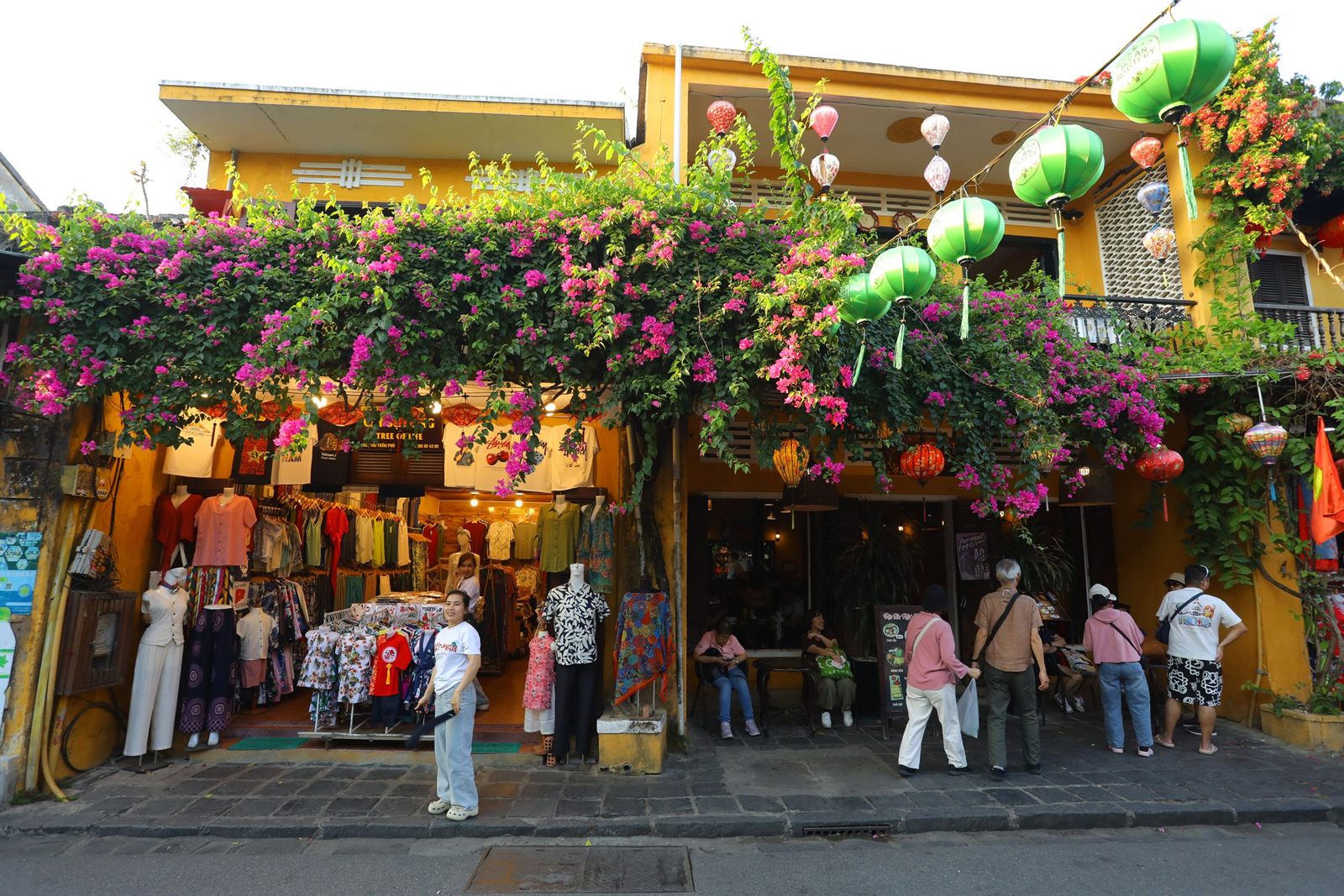
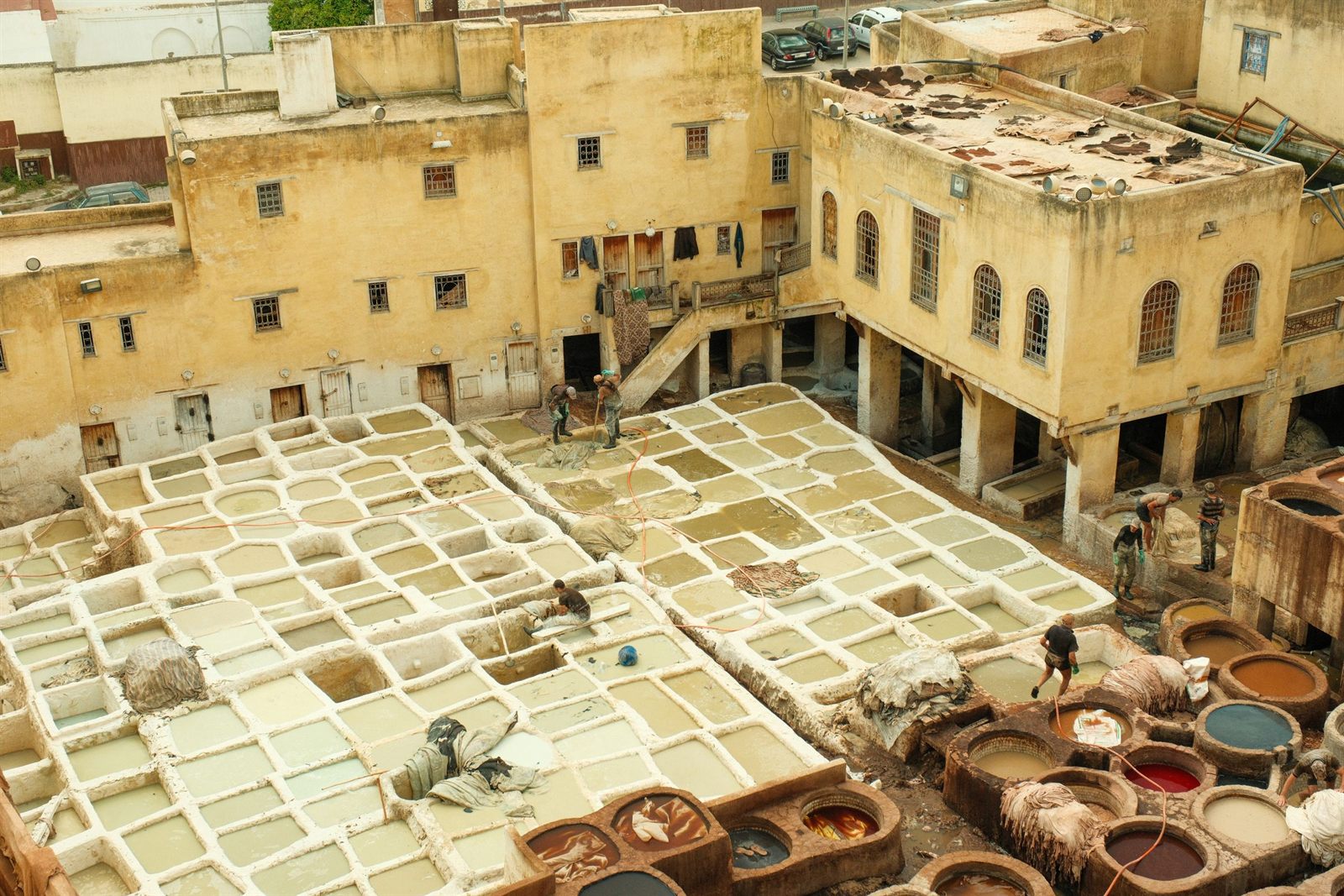
| Souks and medinas in North Africa and the Middle East | Yes, it is part of the ritual |
| Street stalls and night markets in Southeast Asia | Usually |
| Mexican and Central American craft markets | Often, gently |
| Jewelry stores in shopping ports | Sometimes, for higher-value items |
| Shops with printed price tags, galleries, cooperatives | Rarely |
How to Haggle Gracefully
- Smile, greet the seller and show genuine interest in the work.
- Ask the price, then pause; a friendly silence often brings a lower figure.
- Make a fair counter-offer, not an insulting one.
- Bundle several items for a better overall price.
- Be ready to walk away politely — and to come back.
- Pay the agreed price without further haggling.
Keep It in Perspective
The difference between a good price and a great one is often a few dollars to you and a meaningful sum to the seller. Many seasoned travelers bargain in the spirit of the market but stop short of squeezing every last cent, especially from small makers and cooperatives. A fair deal leaves both of you smiling.
Bargaining FAQ
Is it rude to bargain?
In markets where haggling is the custom, a friendly back-and-forth is expected and part of the fun. In shops with marked prices, department stores and most of Europe and North America, it is usually not appropriate, though asking politely about a discount for several items is fine.
What if I change my mind after agreeing a price?
Once you have agreed a price, it is good manners to buy. That is why you should only make an offer on something you actually want.
Currency and Paying
In many Caribbean and Mexican ports, U.S. dollars are widely accepted, but change may come back in local currency. Small bills make bargaining easier — it is awkward to haggle hard and then hand over a large note. In Europe and Asia, carry some local cash for markets and small stalls, and use a card with no foreign transaction fees for larger purchases. If a card machine offers to charge you in U.S. dollars instead of the local currency, the conversion rate is set by the merchant’s provider and is often less favorable; choosing the local currency usually costs less. Count your change, and keep receipts for anything expensive.
Plan a Cruise to Market Ports
From Caribbean straw markets to Asian night markets, our cruise advisors at Mister Cruise can find itineraries full of places to shop and explore.
Get Free Cruise Quotes